Zohran Mamdani and the Politics of Refusal
What makes Zohran Mamdani politically interesting right now isn’t just what he supports — it’s what he refuses to accept as normal.
By Daniel Patterson
January 16, 2026
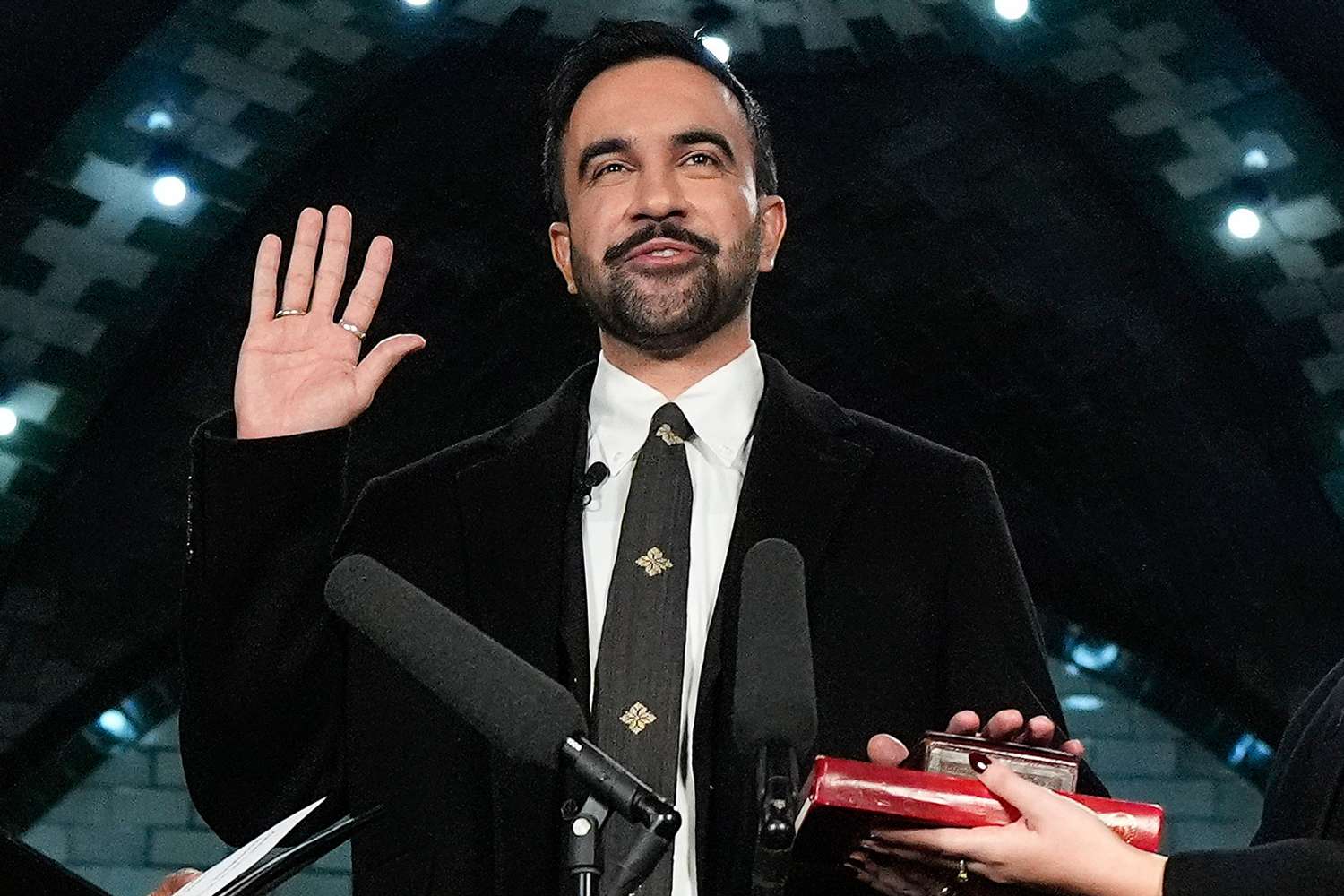
In an era where American politics has become fluent in managed decline, Mamdani represents a sharp interruption. His rise signals a growing impatience, especially in cities like New York, with leaders who frame scarcity as inevitability and moderation as maturity. Mamdani’s politics reject that posture outright. Instead, he treats housing shortages, labor exploitation, and political alienation not as unfortunate facts of life, but as design failures — choices made by systems that can be redesigned.
What’s new about Mamdani isn’t simply his progressive policy orientation. It’s his insistence that local government can still be a site of moral clarity. At a time when municipal leadership is often reduced to crisis management and budget trimming, Mamdani is advancing a more assertive vision of city power — one that intervenes, regulates, and occasionally confronts entrenched economic interests rather than negotiating endlessly with them.
This approach has already unsettled familiar political reflexes. Critics accuse him of overreach; supporters see overdue seriousness. But what’s striking is how Mamdani sidesteps the usual ideological theater. His language rarely centers abstract ideology. Instead, it focuses on outcomes: who bears risk, who absorbs cost, who gets protected when systems fail. That framing makes his politics harder to dismiss as performative — and harder to neutralize.
Equally notable is Mamdani’s comfort with political contradiction. He communicates across ideological lines without flattening his own positions, engaging opponents without signaling submission. In a polarized climate where dialogue is often confused with compromise, Mamdani treats communication as infrastructure — something necessary to govern, not a marker of ideological dilution.
There is also a generational undercurrent to his leadership that hasn’t been fully articulated yet. Mamdani belongs to a cohort shaped less by Cold War binaries and more by lived precarity — student debt, unstable housing, gig labor, and the quiet erosion of public trust. His politics reflect that reality. They are less concerned with preserving institutions for their own sake and more focused on whether those institutions still serve people as promised.
Of course, ambition invites scrutiny. Mamdani’s agenda will face legal, fiscal, and political resistance, and not all of his proposals will survive contact with bureaucracy. But even where limits emerge, the significance of his leadership lies in shifting the center of gravity. He forces a different set of questions into public debate — not whether bold action is realistic, but why long-term failure was ever considered acceptable.
Zohran Mamdani’s real impact may not be measured only in policies passed, but in norms disrupted. He challenges the idea that cities must apologize for protecting workers, that affordability must wait for market permission, or that political courage is inherently reckless. In doing so, he reframes what urban leadership can demand — and what voters might soon expect.
Whether Mamdani’s model spreads or stalls, one thing is already clear: he is not governing as though the future is something to be managed carefully. He is governing as though it is something still worth fighting for.