2026 Is the New 2016 — Why the Internet Has Hit Rewind
TikTok and Instagram are in full rewind mode. The “2026 is the new 2016” trend reveals why nostalgia, freedom, and internet joy are back at the center of pop culture.
By Gabriela Hernandez
January 20, 2026
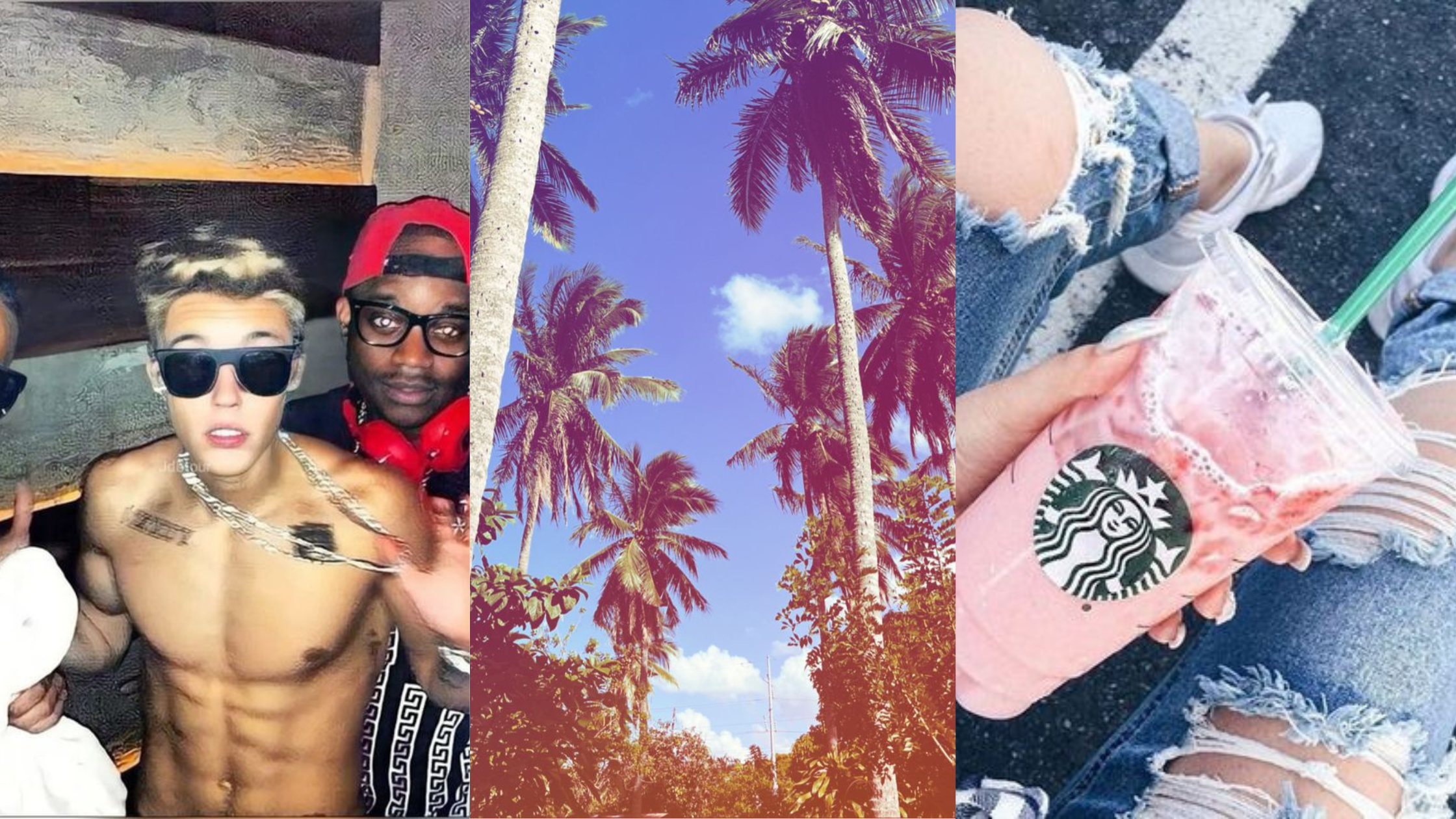
If you’ve been scrolling TikTok or Instagram in January 2026, you might legitimately wonder if someone accidentally swapped the calendar for a decade-old version. Everywhere you look, people are nostalgically proclaiming that “2026 is the new 2016.” It isn’t just a throwaway meme — it’s a viral cultural moment rooted in genuine emotional resonance, collective memory, and the weird alchemy of social media trends.
A Decade Comes Into Focus Why 2016? Some of it is simple: 2016 is ten years ago. That makes it the perfect anniversary for digital nostalgia — a cultural reset moment. Searches for “2016” on TikTok spiked by over 450 % in the first week of 2026, and millions of videos using vintage-style filters inspired by that year have flooded feeds.
But it’s not just about age — it’s about feeling. For many users, 2016 represents a period of internet culture that still feels playful, less algorithm-obsessed, and emotionally simpler than what came later. It was the year of viral challenges, oversaturated Instagram filters, and social platforms that felt more like communal spaces and less like battlegrounds for attention.
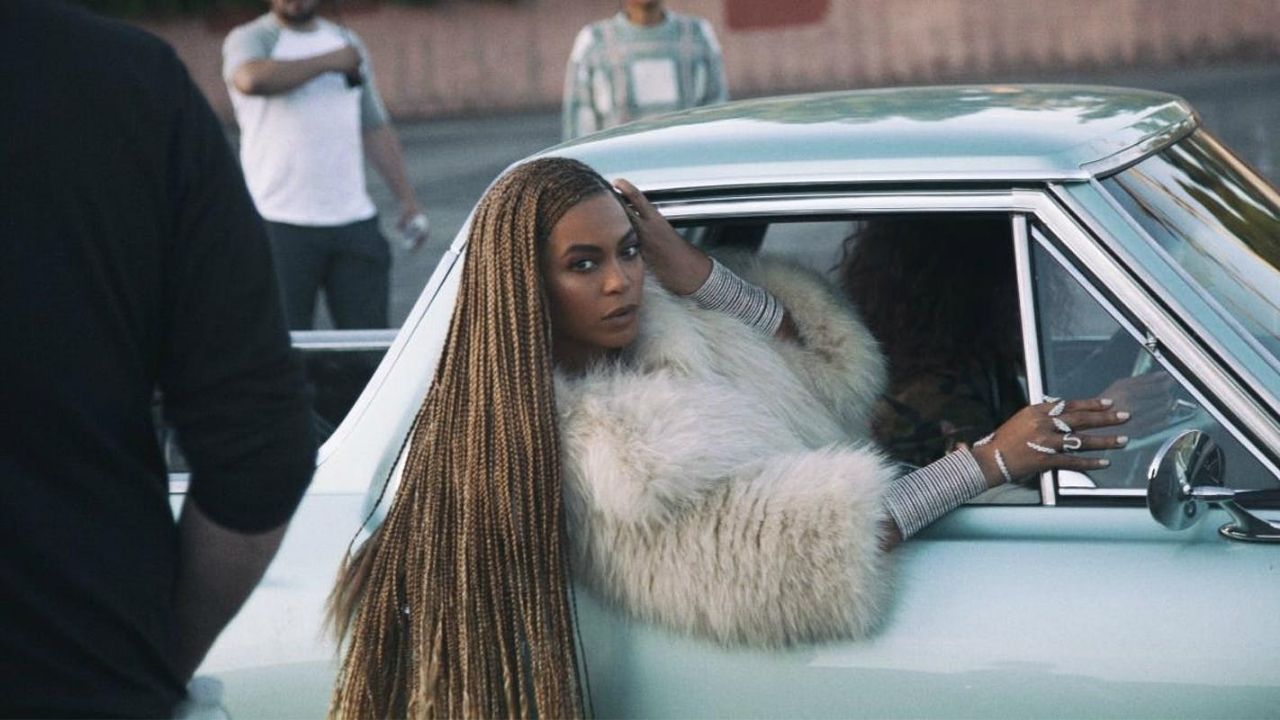
The Aesthetic Is Back (Sort Of) Scroll deeper, and the trend isn’t simply people posting old pictures — it revives the textures and tones of an era. TikTok’s “2016” and similar filters mimic the warm, oversaturated aesthetic of early smartphone photography. Users are pairing these with iconic sounds and music from the era — everything from Zara Larsson’s “Lush Life” to Beyoncé’s “Formation” — turning their content into mini time machines.
Old Snapchat classics like the puppy-dog filter and grainy iPhone clips are everywhere, repackaged with affectionate irony. Fashion callbacks — dramatic brows, glossy makeup, leather jackets — and throwbacks to viral phenomena like Pokémon GO and the Mannequin Challenge complete the sensory collage.
What’s Driving This Digital Time-Warp? Nostalgia isn’t random. It comes when people crave comfort, community, and connection — especially in moments of uncertainty or cultural overload. In 2026, social platforms are flooded with AI-generated content, polarized discourse, and algorithmic fatigue. Looking back at 2016 — a moment before COVID, before sprawling misinformation ecosystems, and before AI content saturation — offers an emotional anchor.
Psychologists have long noted that nostalgia spikes when the present feels unstable or ambiguous. That’s exactly the context many users cite: a world that feels more chaotic and fragmented, contrasted with memories of simpler digital interactions. Reposting old photos or recreating vintage aesthetics becomes a form of digital nostalgia therapy — a shared escape valve.
Celebrities and Influencers Are Joining In
This isn’t just grassroots internet culture — high-profile figures are participating, too. From Hailey Bieber sharing throwback photos with Justin to Gabrielle Union posting nostalgic snaps, celebrities are leaning into the trend as much as everyday creators. That crossover helps keep it on the trending charts.
That kind of universal participation matters. When someone with millions of followers posts content tied to a shared cultural memory, it accelerates virality — and it normalizes the idea that 2016 wasn’t just a year, but a vibe worth revisiting.
Is It Serious? Or Inside Jokes? The trend has its skeptics. Some older users argue that people barely remember the year firsthand, or that nostalgia has become too easy in the age of rapid trend cycles. Others point out that internet culture now moves so fast that even a year like 2021 already feels distant to many. Yet the very act of debating the trend is part of its power. Whether people are genuinely reminiscing or playfully exaggerating, the shared cultural conversation itself becomes a marker — proof that we aren’t just living in 2026, we’re collectively reflecting on what it means to be here.
Why 2016, Really?
So is 2026 literally just repeated history? Of course not. The world has changed more than the average TikTok swipe. What’s resurfacing is energy: the openness of early social media, the joy of shared inside jokes before everything was commodified, and the feeling of a simpler digital world. In that sense, the phrase “2026 is the new 2016” works both as a meme and as a cultural critique: it’s a playful claim, but also a statement about how we want to feel online again. That’s why it’s resonating — not just because it’s funny, but because this moment feels familiar, storied, and deeply — almost sweetly — remembered.